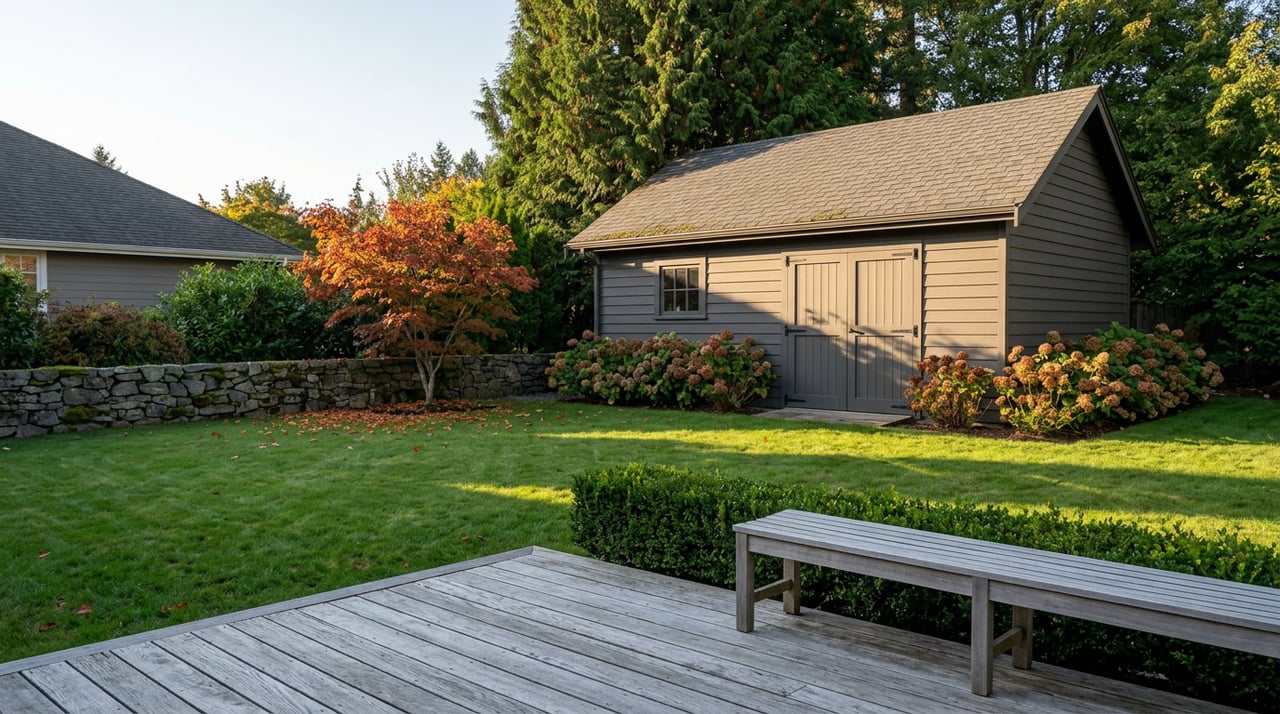
Mill Creek's New Two-ADU Rule Meets a Covenant Written in 1975
September 3, 2026
September 3, 2026
The city says you can build two accessory units on a single-family lot now. Your homeowners association's governing document, recorded decades before that rule existed, still talks about leasing "the entire lot or living unit." Nobody has reconciled the two, and until an owner actually tries to rent out a second unit, nobody has to.
That gap matters more than it looks. If you own a Mill Creek property inside the Mill Creek Community Association, or you're weighing whether a second unit could offset a purchase price this fall, the zoning code is only half the paperwork. The other half sits in a 1975 plat and its amendments, and it was written for a world where a lot meant one house and one lease.
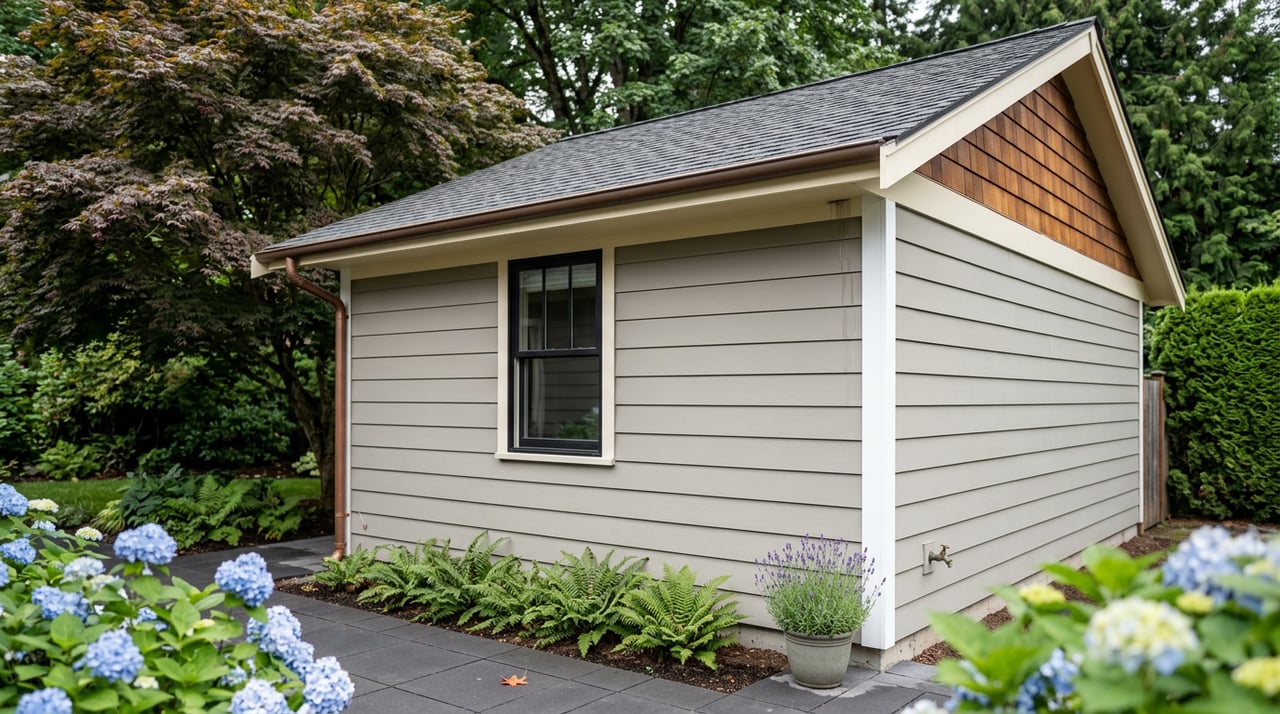
Mill Creek's municipal code used to cap accessory dwelling units at one per lot, sized between 400 and 800 square feet. That was the standard under the city's 2021 ordinance governing accessory units. It has since been revised. Under the current version of Chapter 17.22 of the Mill Creek Municipal Code, adopted through Ordinance 2025-933, a lot can now carry up to two accessory dwelling units, with each one allowed to run as large as 1,000 square feet of interior habitable space. The code also lets an existing structure, including a detached garage, be converted into one of those units even if it doesn't meet current setback or lot coverage rules, and it bars the city from requiring public street improvements as a condition of the permit.
That change didn't happen in a vacuum. Washington law now requires cities that plan under the Growth Management Act to allow at least two ADUs on residential lots within urban growth areas, a mandate that traces back to House Bill 1337 and is codified at RCW 36.70A.680 through .681. Many jurisdictions are still working through their compliance deadlines, some stretching into late 2026. Mill Creek got there early, folding the state requirement into its own code rather than waiting to be told.
From the city's side, the math is simple. Two units per lot, up to 1,000 square feet each, no forced street work. From a lot owner's side, that's a real and current permitting right.
Most single-family lots in Mill Creek don't answer only to the city. They also answer to the Mill Creek Community Association, the homeowners association that covers a large share of the city's original residential plats. MCCA's authority runs through a recorded declaration, most recently issued as a Corrected and Amended Declaration of Restrictive Covenants, filed with the Snohomish County Auditor. That document traces back to the association's original plat, recorded in April 1975.
Inside that current declaration is a section with a title that stops a covenant read cold:
"Lease or Rental Only of the Entire Lot or Living Unit"
That's a section heading in a legally recorded document, not a marketing phrase, and it was written into a covenant structure decades before any city or state government contemplated a second permitted dwelling on a residential lot. A title like that suggests leasing was meant to apply to a lot and its house as one package, not to a house and a separately rentable second unit carved out under it. What the full paragraph underneath that heading actually permits or forbids for a second unit is something only the board, or the recorded text itself, can answer definitively. The heading alone is enough reason to ask before you assume.
This is the piece that a zoning-code read misses entirely. The city's permit file for a given address will tell you how many accessory units are approved. It will not tell you whether your HOA's leasing language treats a second unit as separately rentable or folds it back into "the entire lot."
MCCA is large, but it isn't the whole city. Its residential footprint covers 25 single-family home neighborhoods, 15 condominium complexes, six townhouse complexes, and five apartment complexes, including the Mill Creek Retirement Community. Divisions like Country Club Estates, Copper Tree, and Country Place fall under its umbrella.
Other Mill Creek neighborhoods sit outside MCCA entirely and run their own governing documents. Mill Creek Highlands, established under its own covenants in 1988, maintains a separate architectural control committee and its own rules and regulations. Mill Creek Woods keeps its own homeowner handbook with rules specific to that community. Neither answers to MCCA's declaration, which means neither is bound by the "entire lot or living unit" language at all. Each has its own leasing provisions, and those provisions may say something different, or nothing at all, about a second unit.
Here's the layered picture in one place:
| Layer | Governs | What it addresses |
|---|---|---|
| City of Mill Creek, MCMC Chapter 17.22 | Zoning rights citywide | Up to two ADUs per lot, size limits, setback and permit process |
| MCCA Amended and Restated Declaration | ~25 single-family divisions plus condos, townhomes, apartments | Leasing structure, including the "entire lot or living unit" section |
| Division-level HOAs (Mill Creek Highlands, Mill Creek Woods, others) | Individual plats outside MCCA | Their own CC&Rs, separately recorded, separately enforced |
Three rulebooks, one lot, and only one of them is guaranteed to match what a listing sheet implies.
Mill Creek's resale market has been moving fast this year. Over the three months ending in May 2026, homes sold at a median of $854,000 and moved in about nine days on average, up from five days at the same point last year, a pace that still counts as competitive even as it eases. With days on market lengthening slightly and buyers gaining a bit more room to compare listings, a legally rentable second unit is exactly the kind of detail that can separate an ordinary listing from one that draws a second look, but only if the rental potential is real and disclosed accurately.
The stakes aren't just marketing copy. Washington law gives an HOA's assessment lien priority over a first mortgage for up to six months of unpaid dues, under RCW 64.90.485(9). That priority window is where lenders and associations negotiate during a purchase or refinance title search. A covenant question that looks academic in August can turn into a title complication in escrow if it surfaces for the first time at closing instead of before listing.
None of this makes a second unit a bad idea. Mill Creek's own code changes suggest the city wants that flexibility available. It just means the zoning right and the private covenant are two different documents, filed with two different offices, and only one of them has been updated to reflect what's now legally possible.
Does state ADU law override an HOA's private covenant? State law directs what cities and counties must permit through zoning. It doesn't rewrite a privately recorded declaration between an association and its members. Those are two different bodies of law, which is exactly why a zoning right and a covenant restriction can sit side by side without resolving each other automatically.
How do I find out if my lot is under MCCA or a separate HOA? MCCA's own site lists its residential divisions, and a title company or the Snohomish County Auditor's recorded documents will show which declaration applies to a specific parcel. If your neighborhood has its own named association website, like Mill Creek Highlands or Mill Creek Woods, that's usually a sign you're outside MCCA's declaration.
Does any of this apply if I just want the second unit for family, not rent? The leasing section specifically addresses lease and rental arrangements. A unit used by family members without a lease in place doesn't raise the same question, though it's still worth confirming with the association since architectural approval and occupancy rules can apply regardless of whether rent changes hands.
Is this specific to golf-course or downtown divisions, or does it apply broadly? The declaration covers the single-family divisions under MCCA generally, not just one part of the city. The details of setback, lot size, and existing structure conversion still vary by property, which is another reason to check the specific address rather than assume based on a neighboring lot.
If you're weighing a second unit on a Mill Creek property, whether you're preparing to list, buying with rental income in mind, or just trying to understand what your own covenant actually allows, it's worth having someone pull the right documents before you build a plan around a number that hasn't been confirmed. Jessica Gustelius has spent 14 years working through exactly this kind of layered local paperwork with Mill Creek buyers, sellers, and owners. Let's Connect.
Stay up to date on the latest real estate trends.
Whether you're buying, selling, or investing, Jessica Gustelius is committed to delivering a seamless and personalized real estate experience. With expert market knowledge and a passion for helping clients succeed, she’s ready to guide you every step of the way. Let’s make your next move happen.