
Mill Creek Urban Growth Areas and Annexation Risks
July 23, 2026
July 23, 2026
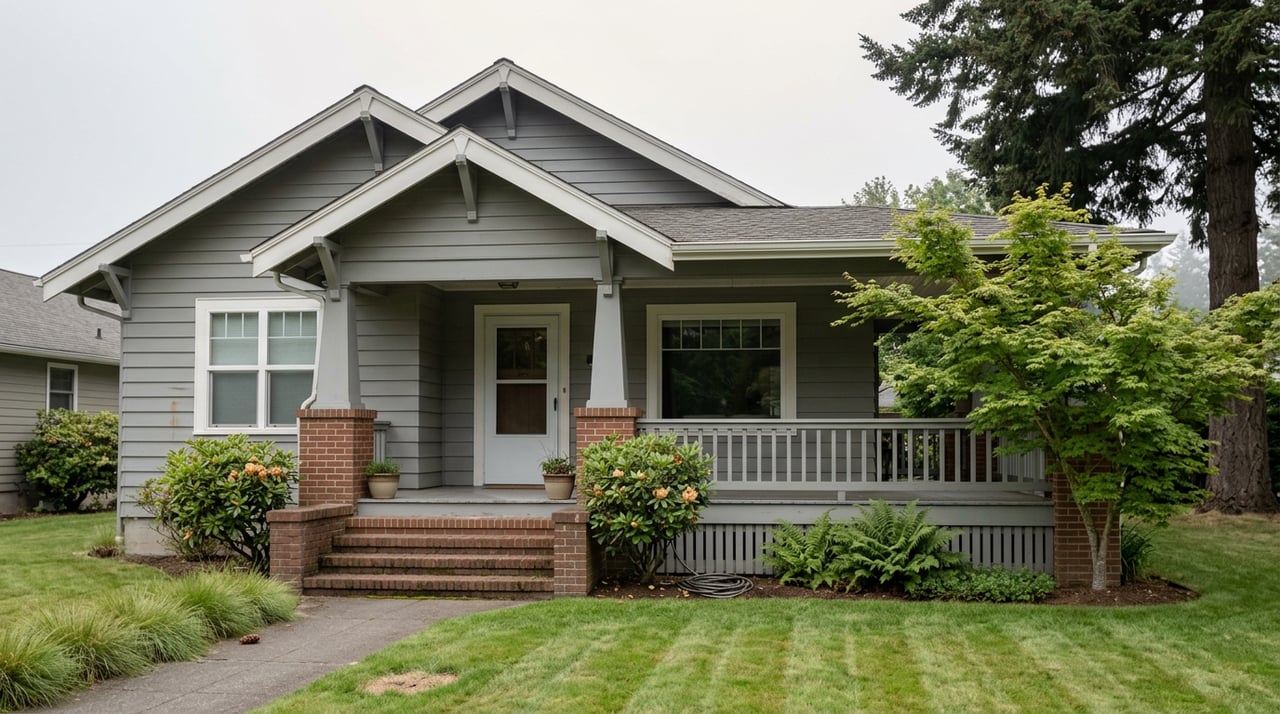
Two houses sit a quarter mile apart on the same arterial. Same builder, same era, same floor plan flipped. One has a Mill Creek city address. The other has a 98012 ZIP and an unincorporated Snohomish County jurisdiction. On the portals they show up as comparable. In a title report, on a permit application, and eventually in a resale conversation, they are not.
If you are cross-shopping the border, the interesting question isn't which side is "better." It's whether the line you are shopping across today will be in the same place in five years. Right now, in 2026, the answer is genuinely unsettled, and the paper trail is public.
Mill Creek's planning staff maintains a page listing the Municipal Urban Growth Areas the city is expected to eventually absorb. There are four subareas — Mill Creek South, Mill Creek East, Larch, and Martha Lake — and a MUGA is defined as the portion of the Urban Growth Area that a city is expected to eventually annex and serve. That single sentence is worth reading twice, because it reframes what "unincorporated" means for a homeowner in one of these pockets. It is a temporary designation with a planning horizon attached.
| Subarea | Where it sits relative to today's city limits |
|---|---|
| Mill Creek South | South of the existing city boundary, within the city's designated growth footprint |
| Mill Creek East | East of the existing city boundary, within the city's designated growth footprint |
| Larch | One of four MUGAs the Council is actively weighing |
| Martha Lake | One of four MUGAs the Council is actively weighing |
The boundary map is on the City's website. If you are writing an offer on the border, print it and mark your property.
Annexation is not a rename. It is a swap of the entity that regulates, taxes, and services the parcel. A few of the shifts that matter at the kitchen table:
None of that is inherently good or bad for a given buyer. It is, however, the kind of change that a lender's appraiser, a future buyer's inspector, and your own resale strategy will each treat differently. Assuming today's rules will hold is the mistake.
Mill Creek has done a large annexation before. The 553-acre Thomas Lake area in the northeastern corner of the city, bordered to the north by 132nd Street and east by Seattle Hill Road, was annexed in 2005 and added 2,200 residents to the city's population. That vote is the closest precedent for what a border buyer today is trying to price.
The friction from that episode landed on a single road. The city and Snohomish County had to reach an agreement on maintenance of 35th Avenue SE, a road that had had problems with sinking in spots, and a 10-year agreement with the county was nearing completion. Translation for anyone shopping a similar road today: infrastructure that limped along under county maintenance does not become newly funded on annexation day. It becomes a line item in a new budget, subject to a new council's priorities, and often subject to a multi-year cost-sharing arrangement with the county it used to belong to.
A road that was the county's problem yesterday is the city's problem tomorrow, and the schedule for fixing it is written after the boundary changes, not before.
That is the shape of the risk. It is not a reason to avoid a border house. It is a reason to ask which roads, sewers, and stormwater systems the parcel depends on, and who currently owns them.
The Council has been working through the MUGAs in the open. A partial sequence, dated where the record supports it:
That is a City Council that has moved from "should we study this" to "in what order." The council is looking into what annexation would mean for infrastructure, finances, and preserving the "feel" of Mill Creek, and the mayor has argued annexation could give the city more influence over how nearby urban growth areas develop. A buyer inside a MUGA is not shopping a static jurisdiction. They are shopping a jurisdiction that is on someone's short list.
The interesting corollary is that annexation cuts both ways for pricing.
For a buyer already committed to a Mill Creek address, the MUGA housing supply is the pressure valve. New rooftops added to the city through annexation increase the pool of homes that share the Mill Creek name without the city having to permit a single new subdivision. Scarcity arguments that lean on "there is no more land inside the lines" have to reckon with the fact that the lines are drawn in pencil.
For a buyer looking at an unincorporated parcel inside a MUGA, the calculus is the opposite. The current price reflects today's mix of county services, county permitting, and county tax rates. If annexation lands, that mix changes on a known-to-the-city, unknown-to-you timeline. Some households will value the change positively. Some will not. Either way, the parcel's regulatory identity has an expiration date that is not on the disclosure form.
Neither of these is a prediction. They are the two sides of the same public planning process, and they are the reason the median price for "Mill Creek area" homes across the portals is a blunter instrument than it looks.
A short list you can hand to your agent, your lender, and eventually your title officer:
The point of the list is not to scare anyone off a house. It is to make sure the price you offer reflects the jurisdiction you are actually buying into, not the one the address suggests.
Does annexation happen automatically once a MUGA is designated? No. A MUGA is a planning designation, not an event. It identifies where a city will focus future urban development, infrastructure, and services, ensuring growth occurs in areas planned for urban levels of housing, jobs, and public facilities. The actual annexation requires a separate process and Council action.
Will my mortgage or title change if the boundary moves later? The loan and the recorded title do not change because the city line moves. What changes is the governing jurisdiction on the parcel, which affects taxes, permitting, and services going forward. Your closing documents are a snapshot of the day you signed; the regulatory environment they were signed under is not frozen.
Is the City deciding this alone? No. Mill Creek is working within the state's Growth Management Act framework, and the County designates UGAs in accordance with RCW 36.70A.110, and under RCW 36.70A.100 the designation must be coordinated between the county and cities. The State of the City address and the Council retreats are the local decisions inside that state framework.
How fresh is the picture I am seeing on a listing today? Fresh enough on price. Less fresh on jurisdiction. A listing that describes a home as "Mill Creek" without distinguishing city limits from MUGA is telling you about the postal address, not the entity that will regulate the parcel over the next decade.
The boundary between Mill Creek and the county pockets that surround it is one of the most consequential and least discussed variables in this market. If you are weighing a house on either side of that line, the answer is not to guess at what the Council will do. It is to price the parcel with the process in view. That is the kind of preparation work I do with every client before a first offer, and I am happy to walk through your specific address with you. Jessica Gustelius, Windermere Real Estate GH. Let's Connect.
Stay up to date on the latest real estate trends.

Whether you're buying, selling, or investing, Jessica Gustelius is committed to delivering a seamless and personalized real estate experience. With expert market knowledge and a passion for helping clients succeed, she’s ready to guide you every step of the way. Let’s make your next move happen.